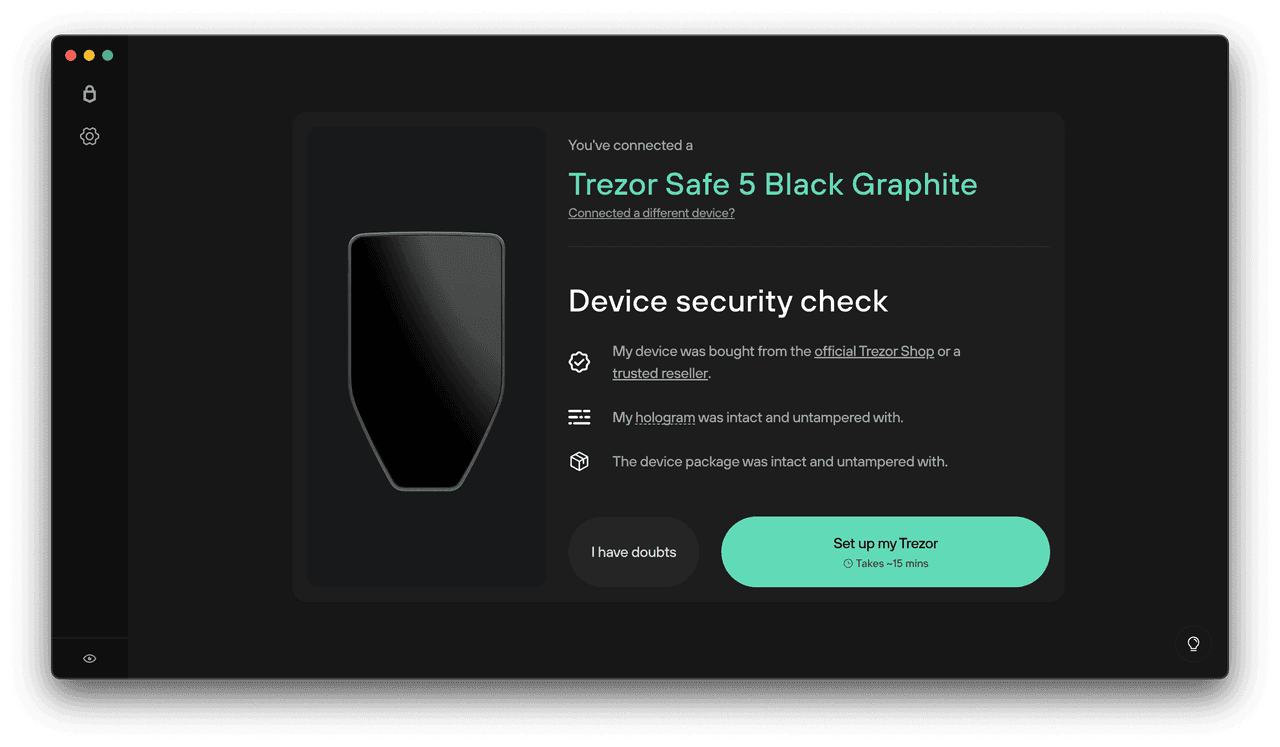
Trezor.io/start: The Secure Way to Set Up Your Crypto Wallet
Cryptocurrency offers unprecedented control over your finances, but it also comes with responsibility. Unlike traditional banks, there is no way to reverse transactions or recover lost keys. Hardware wallets provide one of the safest ways to store crypto, and Trezor is one of the most trusted brands in the industry. To begin using your Trezor wallet safely, the official starting point is Trezor.io/start.
This page guides you through the correct setup process, ensures your device is genuine, and helps protect your funds from common security threats.
Why Use Trezor.io/start?
Trezor.io/start is the official onboarding portal for all Trezor devices. It provides verified instructions, authentic firmware installation, and secure access to Trezor Suite—the software you’ll use to manage your cryptocurrency.
Because phishing attacks and fake setup sites are common, using the correct URL is critical. Visiting Trezor.io/start directly ensures you are not exposing your wallet to fraudulent websites that could steal your recovery seed.
What Makes Trezor Secure?
Trezor hardware wallets keep your private keys offline, even while connected to a computer or smartphone. This dramatically reduces exposure to malware, phishing, and other online threats.
Some key security features include:
Offline private key storage to prevent hacking
On-device confirmation of transactions
PIN code protection for unauthorized access
Optional passphrase for added security
Open-source firmware, regularly audited for transparency
Starting your device at Trezor.io/start ensures all these features are activated correctly from the beginning.
Preparing for Setup
Before starting, gather the following:
A brand-new Trezor device (Model One or Model T)
A secure computer or mobile device
A reliable internet connection
The included USB cable
Pen and paper for recording your recovery seed
Setup should be performed in a private space to avoid prying eyes or potential digital threats. Avoid public Wi-Fi or shared devices during this process.
Step-by-Step Guide to Setting Up Your Wallet
Step 1: Open Trezor.io/start
Type trezor.io/start directly into your browser. Avoid links from emails, ads, or social media posts.
Step 2: Select Your Device
Choose the correct model—Trezor Model One or Model T. The instructions on the page will adjust based on your selection.
Step 3: Download Trezor Suite
Follow the prompt to install Trezor Suite, the official application for wallet management. Trezor Suite allows you to send and receive crypto, check balances, and manage security settings.
Step 4: Connect Your Trezor
Attach your device to your computer or smartphone using the supplied USB cable. New devices ship without firmware for security reasons.
Step 5: Install Firmware
Follow the instructions to install the latest firmware. This step verifies your device’s authenticity and ensures it is updated with the most recent security enhancements.
Understanding Your Recovery Seed
During setup, Trezor generates a recovery seed, a set of 12, 18, or 24 random words. This seed is the master backup of your wallet.
Important guidelines:
Write the words down in the correct order
Store the backup offline in a secure place
Never take photos or store it digitally
Never share the seed with anyone
The recovery seed is the only way to restore your wallet if your device is lost, stolen, or damaged. Trezor does not store this information and cannot recover it for you.
Setting a PIN and Optional Passphrase
After securing your recovery seed, you’ll create a PIN code. This protects your device if someone gains physical access.
For additional security, Trezor offers passphrase protection, which allows the creation of hidden wallets tied to a secret phrase. This is optional but highly recommended for users holding significant crypto assets.
Using Your Trezor Wallet
Once setup is complete, you can manage your crypto via Trezor Suite. The wallet supports a wide variety of cryptocurrencies, including:
Bitcoin (BTC)
Ethereum (ETH)
Litecoin (LTC)
Cardano (ADA)
Polygon (MATIC)
Thousands of ERC-20 tokens
Trezor can also connect to third-party applications for advanced features like staking, swaps, and decentralized finance.
Security Mistakes to Avoid
Even with a hardware wallet, errors can compromise security. Common mistakes include:
Entering recovery words on websites or apps
Purchasing pre-used or preconfigured devices
Ignoring firmware updates
Storing backup phrases digitally
Trusting unsolicited support messages
Remember: Trezor will never ask for your recovery seed, PIN, or passphrase.
Why Trezor.io/start Matters
Trezor.io/start is more than a setup page—it’s a security checkpoint. It ensures your device is genuine, your firmware is official, and your wallet is configured according to best practices. Skipping this process or using unofficial guides increases the risk of phishing attacks, loss of funds, and permanent mistakes.
Final Thoughts
Setting up your Trezor wallet via Trezor.io/start is the first and most important step in securing your cryptocurrency. By following the official instructions, safely recording your recovery seed, and using Trezor Suite responsibly, you gain full control over your digital assets.